

Print Shop
What Is Sublimation Printing?
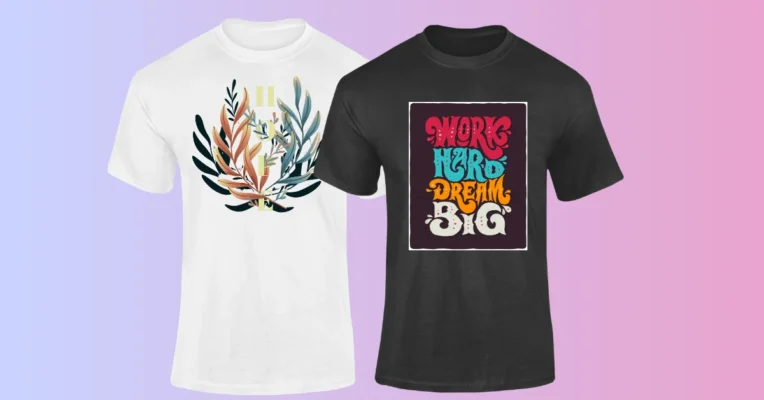
Sublimation printing is a digital printing technique that uses heat to transfer dye onto materials. Unlike traditional printing methods, which use inks that sit on top of the surface, sublimation printing involves a chemical change where solid dye turns into a gas and permeates the substrate, embedding itself into the fibers. This results in vivid, durable prints that won’t peel, crack, or fade easily.
Sublimation Process:
The sublimation process is both fascinating and complex. Here’s a step-by-step breakdown: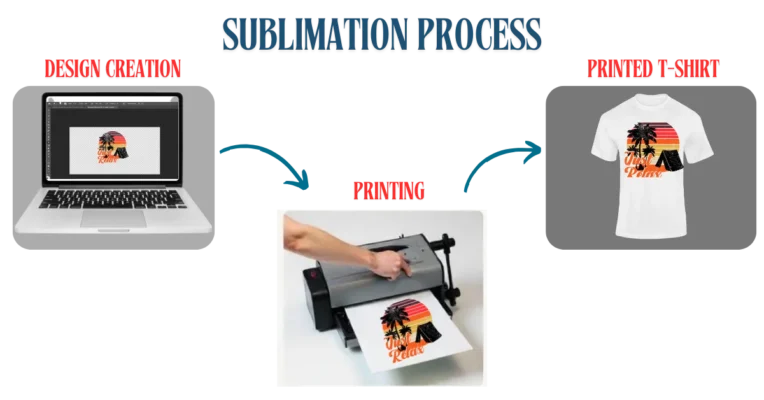
- Design Creation: It all begins with creating a design on a computer using graphic design software like Adobe Photoshop or Illustrator. The design is usually mirrored to ensure that it appears correctly on the final product.
- Printing: The mirrored design is printed onto sublimation paper using special sublimation inks. These inks are unique in that they turn into gas when heated.
- Heat Transfer: The printed sublimation paper is placed on the substrate (such as a T-shirt, mug, or metal plate). A heat press machine applies both heat and pressure to transfer the design. The temperature typically ranges from 350°F to 400°F (175°C to 200°C), and the process lasts between 30 to 60 seconds.
- Dye Sublimation: During the heat transfer process, the sublimation ink turns into a gas, which then bonds with the fibers or coating of the substrate. As it cools, the gas turns back into a solid, becoming part of the material rather than sitting on top of it.
Use of Sublimation Printing:
Sublimation printing shines in areas where vibrant, long-lasting prints are desired. Common applications include:
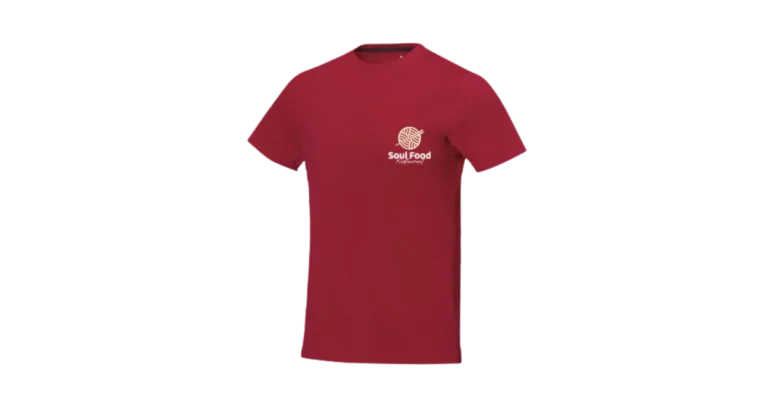
- Custom Apparel: Sports jerseys, fashion items, and personalized clothing.
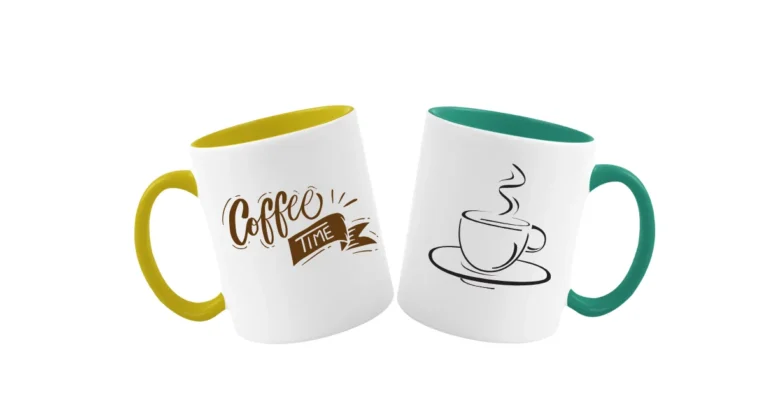
- Personalized Gifts: Mugs, phone cases, keychains, and photo frames.
- Home Decor: Custom pillows, wall art, and decorative items.

- Promotional Products: Customized items for events, businesses, and giveaways.
Sublimation Printing Pros
- Vibrant Colors: Sublimation printing produces bright, eye-catching colors that are hard to match with other methods. The dye becomes part of the material, resulting in a rich, deep color that stands out.
- Durability: Since the dye becomes embedded in the material, sublimation prints are resistant to fading, peeling, and cracking. This makes it an ideal choice for items that will be subjected to frequent use or washing.
- Full-Color Designs: Sublimation supports complex, multi-color designs with intricate details. Unlike some methods that might struggle with gradients or fine details, sublimation can handle them with ease.
- No Feel: The print becomes part of the fabric, so there is no added texture or feel on the surface of the material. This is particularly advantageous for clothing and textiles where comfort is important.
Sublimation Printing Cons
- Material Limitations: Sublimation printing works best on polyester fabrics or specially coated surfaces. It does not adhere well to natural fibers like cotton or to uncoated materials.
- Initial Setup Cost: The upfront cost of purchasing a sublimation printer, heat press, and sublimation supplies can be higher compared to other printing methods. However, the investment often pays off in the long run due to the quality and durability of the prints.
- Color Accuracy: Achieving exact color matches can be challenging with sublimation printing. Factors such as monitor calibration, printer settings, and the substrate itself can affect the final output. Calibration and testing are crucial for ensuring color accuracy.
Best-Selling All-Over-Print Products:
All-over print products have become increasingly popular due to their versatility and appeal. Some of the best-selling all-over-print products include:
- Custom T-Shirts and Hoodies: Ideal for fashion and promotional use, allowing for designs that cover the entire garment.
- All-Over Print Leggings and Dresses: Popular in the fashion industry for creating unique, eye-catching apparel.
- Sublimated Sportswear: Jerseys and other sports apparel that benefit from the durability and vibrancy of sublimation printing.
- Personalized Phone Cases and Bags: Custom items that make great gifts or promotional items.
Designs That Work Well With Sublimation Printing
Sublimation printing is particularly effective for:
- Detailed Graphics: Designs with intricate details and fine lines.
- Photographic Images: High-resolution photos and images with gradients.
- Complex Patterns: Designs that include multiple colors and patterns.
- Artistic Designs: Abstract art and creative graphics that require vibrant color reproduction.
Why PrintVolt is the Best Sublimation Printing Provider?
PrintVolt has established itself as a leading sublimation printing provider for several reasons:
- State-of-the-Art Equipment: Utilizing the latest sublimation technology ensures high-quality, consistent prints.
- Expertise: A skilled team with extensive experience in sublimation printing ensures top-notch results.
- Customer Service: Dedicated support to assist with every step of the printing process, from design to delivery.
- Sustainable Practices: Commitment to eco-friendly materials and processes, making it a responsible choice for businesses and individuals alike.
Understanding sublimation printing can open up a world of creative possibilities for personal and professional projects. Whether you’re customizing apparel or creating personalized gifts, sublimation offers a high-quality, durable solution that can bring your designs to life with stunning results.
FAQs:
To start with sublimation printing, you’ll need:
- Sublimation Printer: A printer capable of using sublimation inks.
- Sublimation Ink: Specially formulated ink that turns into a gas when heated.
- Heat Press Machine: To transfer the design onto the substrate.
- Sublimation Paper: Special paper that holds the design before transfer.
- Suitable Substrates: Items made of polyester or coated materials that can accept sublimation dye.
Yes, sublimation printing is highly regarded for its vibrant colors, durability, and ability to produce full-color designs with excellent detail. It’s a great choice for custom apparel and personalized products.
Sublimation printers or converted inkjet printers with sublimation ink can be used. Popular brands include Epson and Sawgrass, which offer specialized models designed for sublimation printing.
Sublimation printing generally lasts longer than screen printing. Sublimated designs become part of the material, while screen-printed designs can fade or peel over time.
To start sublimation printing, invest in the necessary equipment and supplies, familiarize yourself with the process, and practice on different substrates to refine your technique.
Incorrect colors can result from various issues, including uncalibrated equipment, incorrect color profiles, or expired ink. Ensure your printer is properly calibrated, use the correct profiles, and check the quality of your inks.
No, sublimation printing does not use white ink. Sublimation inks are transparent, which means they rely on the color of the substrate to achieve the final color result. For dark or vibrant designs on dark fabrics, pre-coating or alternative printing methods may be necessary.
